Cup Stack Sprint
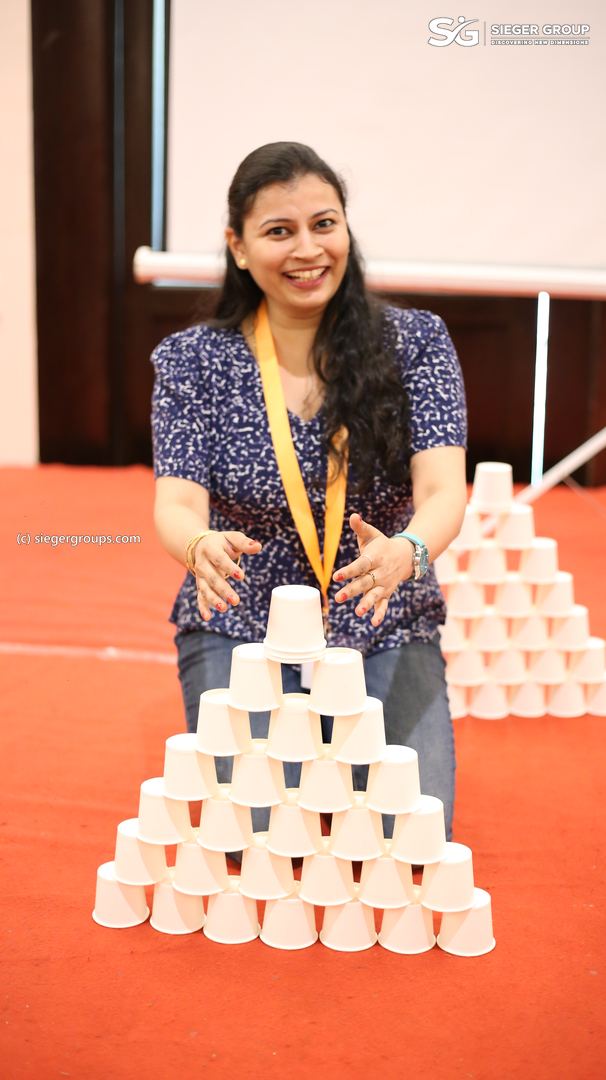
Teams complete a stacking pattern using agreed cups and a short round, testing how preparation, sequencing and a stable technique affect each attempt.
Learning focusCoordination · technique
A facilitated experience, designed around your team.
Minute To Win It transforms your corporate team building into an exhilarating experience full of fast-paced, 60-second challenges that spark energy, laughter, and friendly competition.Participants of all skill levels engage in creative, hands-on tasks that require teamwork, communication, and problem-solving, helping employees bond instantly while having a blast.
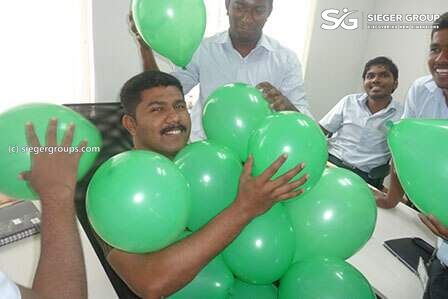
Start with four one-minute formats that are easy to explain and repeat. A second attempt gives participants a chance to change their technique, reset the station or improve a handover before the final relay.
Teams complete a stacking pattern using agreed cups and a short round, testing how preparation, sequencing and a stable technique affect each attempt.
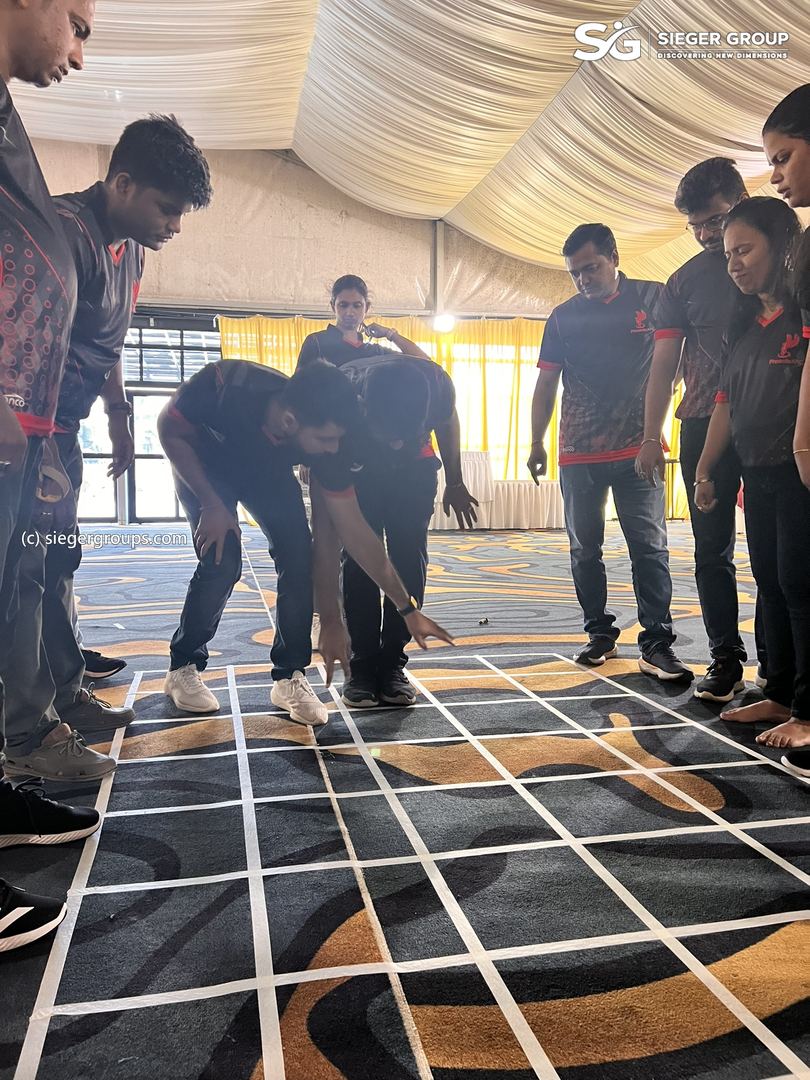
Participants move lightweight balls between designated points with the selected equipment, compare methods and adjust their technique after observing where control is lost.
Teams attempt a compact balancing or construction task with agreed materials, allocating performing and observing roles so useful feedback informs the next attempt.
Several short challenges form a closing sequence, asking colleagues to plan handovers and decide where each person can make a useful contribution.
A meeting-room table is enough for these eight rounds. Start with Back Flip for a quick solo turn, pair colleagues for Memory Pairs, or let teams build side by side in Paper Scraper. Give each station a minute and reset the props between turns.
Balance two unsharpened pencils across the back of one hand, flick them gently upwards and catch both in the same hand. Add another pair after each clean catch. The score is the largest bundle caught together before the minute ends.
Materials · Unsharpened pencils and a clear tabletop
A coin sits in the toe of each leg of a clean pair of tights. Working both hands at once, the player inches one hand down each leg, grasps the coins and brings them back through the waistband. The round ends when both coins land on the table.
Materials · One pair of tights and two coins per station
Stand three folded target cards across the far end of a table. In this office version, players roll foam balls from a taped line, aiming to topple all three cards in a minute. For a relay, change players after each hit and leave the remaining targets in place.
Materials · Folded target cards, small foam balls and masking tape
Mix four colours of counters in a tray and give each colour its own bowl. Using one hand, the player sorts one counter at a time in a repeating colour order. A partner follows the sequence card and counts complete cycles, so accuracy matters on every turn.
Materials · Four colours of counters, matching bowls and a sequence card
Start with a stack of cups and one bright cup at the bottom. Move the top cup underneath the stack, switching hands after every move. Once the bright cup travels through the stack and returns to the bottom, stop the clock.
Materials · Nesting cups with one cup in a contrasting colour
Lay six pairs of picture cards face down. Partners take turns turning over two cards, keeping each match and turning mismatches face down again. Both can share what they remember. With only a minute together, deciding which two cards to revisit matters as much as a quick turn.
Materials · Twelve picture cards in six matching pairs
Give each team the same mix of folded and flat cards. Two folded cards make the supports for a floor, and one flat card rests across them. Build upwards for a minute, then take hands away. Count the storeys that stand on their own for three seconds.
Materials · Pre-folded and flat index cards on a level table
Place two light teaspoons in line with a wide mug. A tap on the first spoon flips the second towards the mug. After each attempt, reset the spoons and adjust the gap. Award a point whenever a spoon lands in the mug and stays there.
Materials · Two lightweight teaspoons and a wide, unbreakable mug
Choose a station to suit the space. A clear table edge gives This Blows a place for the cups to fall, while a hard floor gives Tilt-a-Cup a reliable bounce. For a team finish, mark out a lane for Elephant March or set two groups against each other in Ping Tac Toe.
Line up empty paper cups along a table edge. The player fills a balloon with a hand pump, then aims the escaping air at the cups to clear the row. Short bursts conserve air, but each refill costs time. Count the cups that leave the table before the buzzer.
Materials · A hand pump, a balloon and lightweight paper cups
One teammate bounces a table tennis ball towards a partner holding a stack of cups. After each catch, the catcher moves the bottom cup to the top, trapping the ball between layers. Each ball makes the tower lean a little further. Count the catches still stacked at the buzzer.
Materials · Nesting cups, table tennis balls and a firm bounce surface
One partner feeds a paper streamer from a roll while the other winds it loosely around an outstretched forearm. The pair tries to reach a coloured finish mark within the minute while keeping the strip in one piece. Swap roles on the next round and compare techniques.
Materials · A crepe-paper streamer with a marked finish point
Place empty bottles on alternate sides of a short floor lane. In this handheld version, the player swings a soft ball inside a long sock like an elephant’s trunk, stepping along the lane to tip each bottle. A teammate keeps count as the player finds a steady rhythm.
Materials · A long sock, a soft foam ball and empty plastic bottles
Arrange nine buckets in a three-by-three grid and give each team its own colour of ball. From a marked line, teams take turns bouncing a ball into an empty bucket. Three in a row wins the heat. A well-placed block can matter as much as an accurate first bounce.
Materials · Nine low buckets, two colours of table tennis balls and a floor line
Two colleagues share a marked space and try to keep three balloons in the air for a full minute using light taps. The clock stops when a balloon touches the floor. Partners can call a colour or switch sides when two balloons begin drifting apart.
Materials · Three differently coloured balloons and a clear patch of floor
Fasten a tissue box containing table tennis balls to a belt, with the opening facing out behind the player. On the signal, the player shakes, steps and sways to empty the box while keeping both hands clear. A teammate counts the balls that come out before time is called.
Materials · An empty tissue box, an adjustable belt and table tennis balls
Mark a landing square on the floor and give each team a sealed, partly filled bottle. Each player gets one flip before passing the bottle along. Score an upright landing inside the square only after the bottle settles. Several teammates can contribute to the total in a single minute.
Materials · A partly filled, capped plastic bottle and tape for the landing square
Minute To Win It transforms your corporate team building into an exhilarating experience full of fast-paced, 60-second challenges that spark energy, laughter, and friendly competition.Participants of all skill levels engage in creative, hands-on tasks that require teamwork, communication, and problem-solving, helping employees bond instantly while having a blast.
From flipping cups to balancing coins, each challenge is designed to push teams to think quickly, coordinate effectively, and celebrate small victories together creating memorable moments and stronger connections across your organisation.
Consider a short work task repeated without reviewing the method. The selected experiences connect coordination and technique with feedback and patience, creating a basis for discussing roles in a brief window and the choices that shape short timed challenges and playful competition.
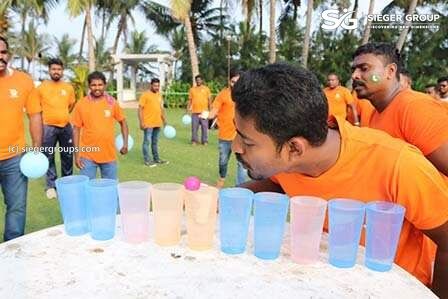
Create quick opportunities to experiment, coordinate and enjoy a shared task. Explore how technique between attempts, encouragement in action and a light competitive atmosphere shape short timed challenges and playful competition.
A simple task gives colleagues a clear reason to participate together.
Test a different method instead of repeating an unsuccessful approach.
Notice responses that support willingness to try after a missed attempt.
Decide who performs, observes and helps refine the group’s approach.
Keep points and pace in service of participation, not personal comparison.
Explore the behaviours and practical insights your team can review through Minute To Win It. The debrief connects observations from the experience with situations that matter to participants.
Give colleagues a simple shared objective and a quick opportunity to contribute outside their usual work routine.
Use evidence from an attempt to adjust technique, rather than relying only on more speed or another repetition.
Notice encouragement that helps a teammate stay involved after a missed attempt or a difficult short round.
Make performing, observing and coaching roles useful so contribution extends beyond the participant completing the timed task.
Keep a light competitive format focused on collective effort and participation rather than personal comparison.
Coordinate the handovers between short tasks, checking that the next colleague is ready before a team relay continues.
Apply a brief pause between attempts to identify one practical adjustment and observe whether the new approach helps.
Use these reflection prompts to turn Minute To Win It into a focused conversation about what happened, what it means and what to try next.
Identify a choice in Cup Stack Sprint that affected coordination and technique. Describe what the person did and how the group responded.
Hear more than one account of Ball Transfer Challenge. Discuss which details helped colleagues understand the task and which important information arrived too late.
Choose a turning point from Balance and Build. Explain the options considered, the reason for the decision and what new information changed the approach.
Use a short work task repeated without reviewing the method as the application example. Identify one moment where feedback and patience could change what happens next.
Pause between attempts and name one observable adjustment to test. Name the person taking it forward and the first situation in which the group will try the change.
Bring an example from short timed challenges and playful competition to the next review. Discuss what changed, what colleagues noticed and which part of the approach needs refining.
A suggested flow for Minute To Win It, from setting the brief to reviewing the experience. Activity choices, pace and facilitation are confirmed around your group and setting.
Discuss a short work task repeated without reviewing the method. Agree what the group wants to explore about immediate shared focus, then confirm the selected formats, roles and practical arrangements.
Teams complete a stacking pattern using agreed cups and a short round, testing how preparation, sequencing and a stable technique affect each attempt. Additional options can explore experimentation and precision through Ball Transfer Challenge, with the final activity mix agreed in the programme brief.
Examine feedback and patience alongside shared effort and handover. Compare the decisions and turning points colleagues observed, including moments when a different question or contribution changed the group’s approach.
Use the review to pause between attempts and name one observable adjustment to test. Choose a specific situation in short timed challenges and playful competition, confirm who will take the action forward and decide when to compare observations.
Connect Minute To Win It with purposeful practice, evidence-based reflection and a next step that fits your working context.
Connect immediate shared focus with a clear question about short timed challenges and playful competition. Discuss a short work task repeated without reviewing the method and agree the participation arrangements.
Participants move lightweight balls between designated points with the selected equipment, compare methods and adjust their technique after observing where control is lost. Notice how colleagues handle experimentation and precision while the agreed task develops.
Review a moment involving encouragement in action. Hear the perspectives of those performing, observing and supporting the task, then compare the information available to each.
Discuss where feedback and patience matter in short timed challenges and playful competition. Use a recent example to identify a practical decision the group could approach differently.
Select a first opportunity to pause between attempts and name one observable adjustment to test. Agree the support needed and the evidence the group will bring to its next review.
Discuss participant experience, access needs, language preferences and the purpose of the programme before confirming suitability.
Intact and cross-functional teams interested in coordination · technique. Cup Stack Sprint offers one possible starting point for an agreed group experience.
Managers and emerging leaders exploring experimentation · precision. Select a format that fits their responsibilities, working relationships and the purpose of Minute To Win It.
Project teams and newly formed groups bringing different perspectives to feedback · patience. Confirm the learning priorities and participation arrangements before choosing the activity mix.
This sample shows how a programme could flow. Timings, breaks, activity choices and duration are agreed in the final proposal.
Introduce Minute To Win It, agree the group’s purpose and discuss participation preferences. Explain the selected formats before the experience begins.
Use a selected version of Cup Stack Sprint to explore coordination · technique. Pause to compare observations and clarify the choices that shaped progress.
Use a selected version of Ball Transfer Challenge to explore experimentation · precision. Pause to compare observations and clarify the choices that shaped progress.
Review examples of immediate shared focus and encouragement in action. Connect the observations with day-to-day team responsibilities and choose a relevant next conversation.
Share the audience profile, language preferences and access needs for Minute To Win It. Agree options that let different colleagues contribute comfortably.
Discuss the available space, materials and facilitation arrangements for the selected learning exercises. Confirm the final mix of Cup Stack Sprint and any other chosen experiences in the brief.
Agree the focus on experimentation · precision, the programme duration and which materials, facilitation and delivery arrangements are included.
Choose how to review coordination and technique and shared effort and handover. Confirm any follow-up conversation or team commitment that belongs within the programme scope.
The final activities and setting depend on your agreed brief.




Sieger Group supports organisations with team-building experiences and facilitated programmes.
12 practical answers to help you plan your programme.
Minute To Win It transforms your corporate team building into an exhilarating experience full of fast-paced, 60-second challenges that spark energy, laughter, and friendly competition.Participants of all skill levels engage in creative, hands-on tasks that require teamwork, communication, and problem-solving, helping employees bond instantly while having a blast.
Minute To Win It can be considered for teams planning a shared experience or employee engagement event. Share roles, group size, experience levels and participation needs so suitability can be confirmed.
The existing programme outline includes: Boosts Team Spirit: Fun, energetic challenges bring teams closer together.; Encourages Collaboration: Teams must strategize who performs each challenge.; Enhances Communication: Quick decision-making and coordination are essential.. The final emphasis and activity selection should be agreed around your brief.
Yes. Share your team context, goals and preferred tone. The proposed Minute To Win It experience can then be adapted through the activity mix, level of challenge, discussion themes and delivery format, subject to feasibility.
Duration depends on the agreed scope, group size and setting. For Minute To Win It, allow for the briefing, activities, breaks and group review. Request a proposed agenda that fits your available time.
Share your preferred city, office, venue or offsite destination in India. Minute To Win It requires a setting suited to the activities and participants. Venue access, usable space, equipment and local delivery arrangements should be confirmed before booking.
The appropriate group size depends on the activity structure, facilitation and available space. Tell us the expected number of participants for Minute To Win It so team sizes, rotations and staffing can be proposed.
For Minute To Win It, the pre-event briefing should explain the schedule, clothing or equipment requirements and how to take part. Share accessibility needs and relevant participation constraints during planning so suitable arrangements can be discussed.
Discuss access, mobility, language, sensory needs and comfort levels before confirming Minute To Win It. Agree suitable roles and alternatives where feasible. For specialist activities, confirm delivery responsibilities and participation requirements in advance.
Agree the purpose of Minute To Win It before delivery. A group review can explore communication, contribution and teamwork, alongside the shared enjoyment of the event. Confirm any follow-up or evaluation support in the proposal.
Pricing for Minute To Win It depends on participant numbers, duration, facilitation, equipment, location and agreed logistics. Request a tailored proposal that clearly states programme inclusions, venue or travel arrangements and applicable charges.
Use the enquiry form on this page or call +91 98400 97567. Include Minute To Win It, your objectives, group size, preferred dates and location. Sieger Group can then discuss suitability and prepare a proposal for your review.
Share your goals, group size, preferred dates and venue. We’ll help you explore a considered programme.
Tell us what you have in mind. We will help you explore a programme that fits your people and your occasion.
Still finalising the details? Share what you know.
Every team is different. Share your people, purpose and preferred setting, and we’ll translate your brief into an experience designed to connect, engage and create lasting impact.
Share your brief and preferred contact details.